Milan Design Week 2026: What sits beneath the service
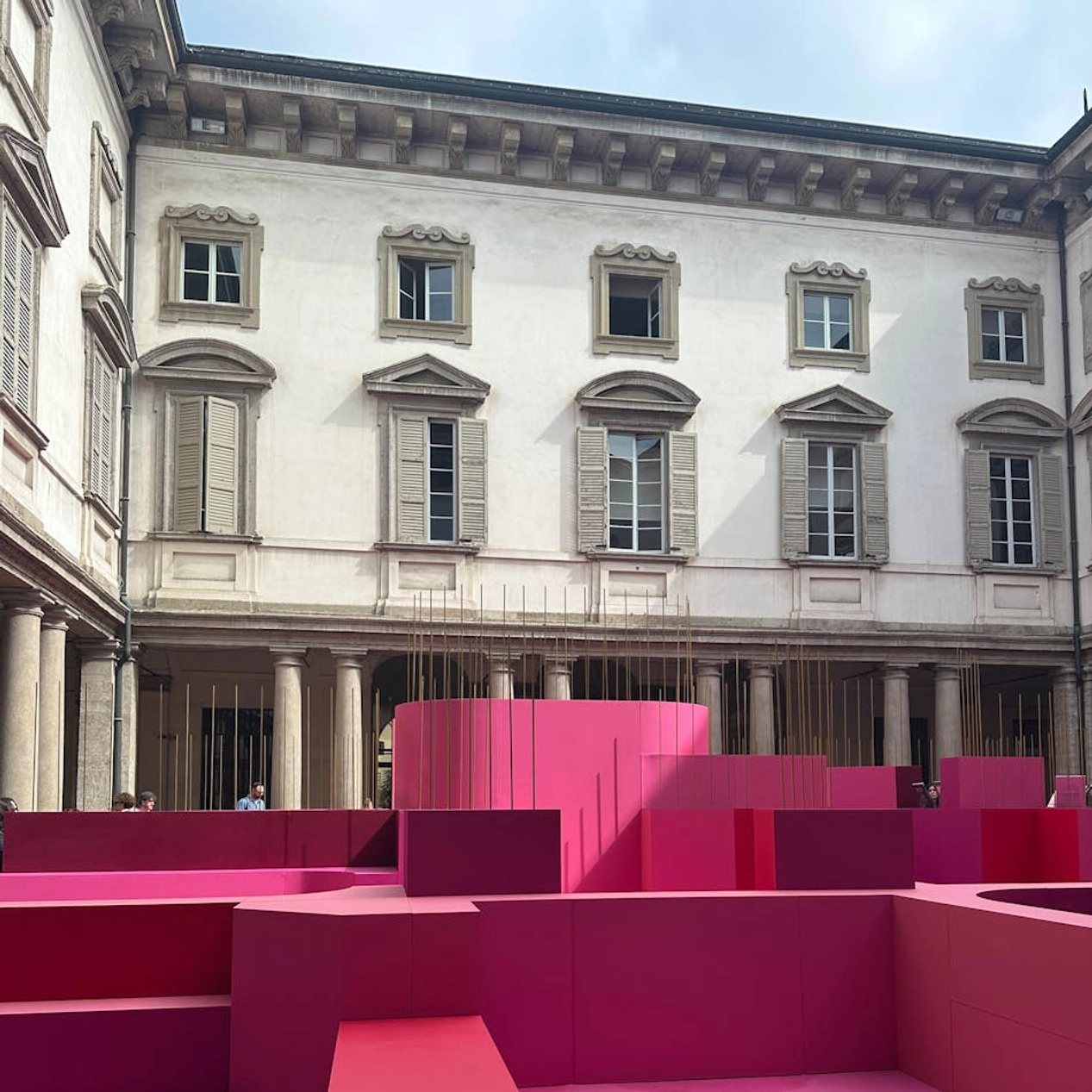
Milan Design Week continues to act as a global barometer for the industry - but this year, the conversation felt broader, more layered, and increasingly cross-disciplinary.
Our team spent time both at Salone and across the city, moving between large-scale exhibitions and quieter, more exploratory spaces. What stood out immediately was a shift in presence: alongside the expected design houses, there was a noticeable influx of fashion and automotive brands. The boundaries between sectors felt less defined; less about category, more about a shared language of experience and luxury.
A More Grounded Expression of Luxury
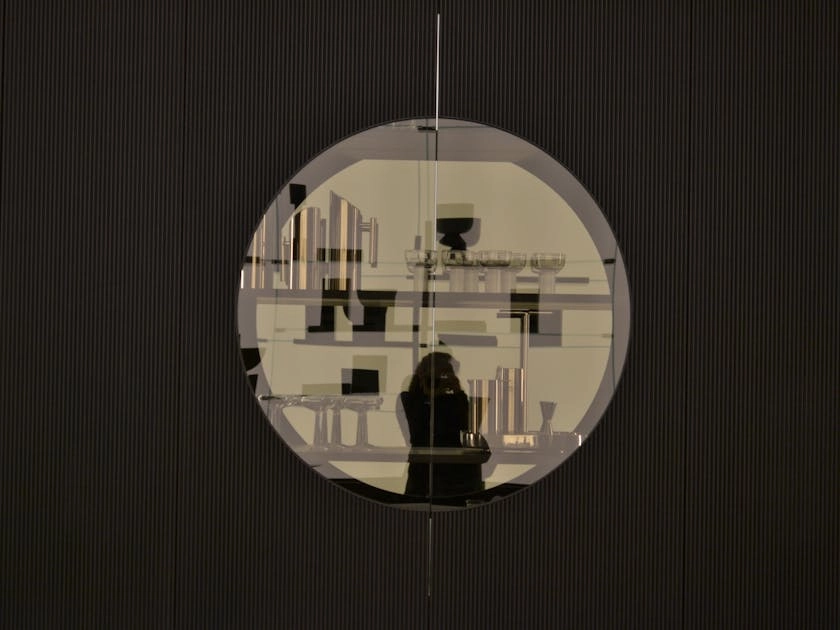
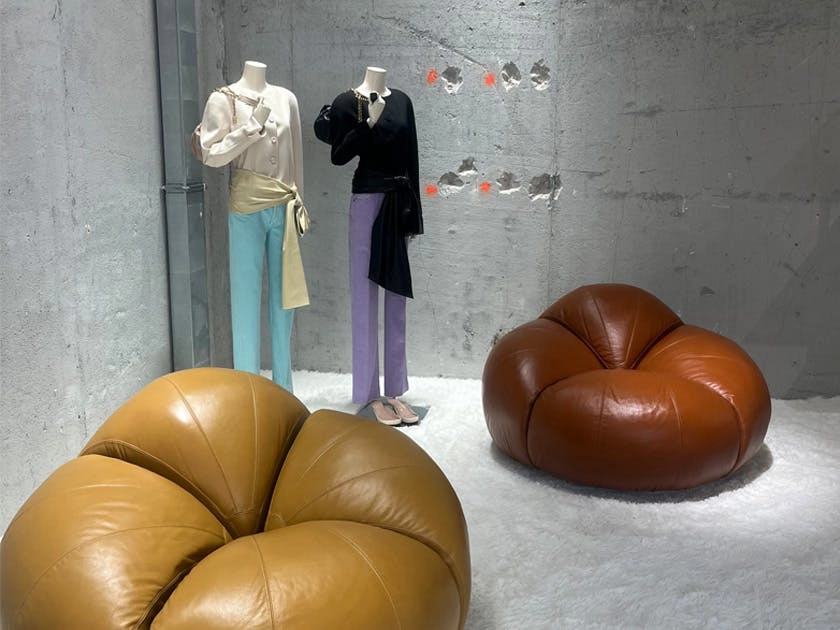
At Salone, a distinct palette emerged; Warm yet refreshing tones of amber, mustard and aubergine, often paired with stainless steel and crisp glass finish. The overall effect was rich but restrained: desaturated, layered, and quietly confident.
Materially, there was a subtle but important shift. Marble, long associated with traditional luxury, was often replaced with lava stone and other more tactile and grounded surfaces. These choices felt less about perfection and more about presence such as materials that carry weight, texture, and a sense of authenticity.
This extended into how pieces were made and experienced. Surfaces invited touch. Forms softened and wrapped. Memory foam and sponge-like structures appeared across furniture, suggesting a broader integration of comfort and wellbeing into everyday environments.
Even the construction of objects felt more resolved. Edges were concealed, elements folded into one another, creating a sense of continuity rather than assembly. Nothing felt arbitrary but instead everything had been considered, down to how it would be used, felt, and understood over time.
From Object to Experience
Across the city, there was a clear shift away from isolated objects towards more immersive, choreographed experiences.
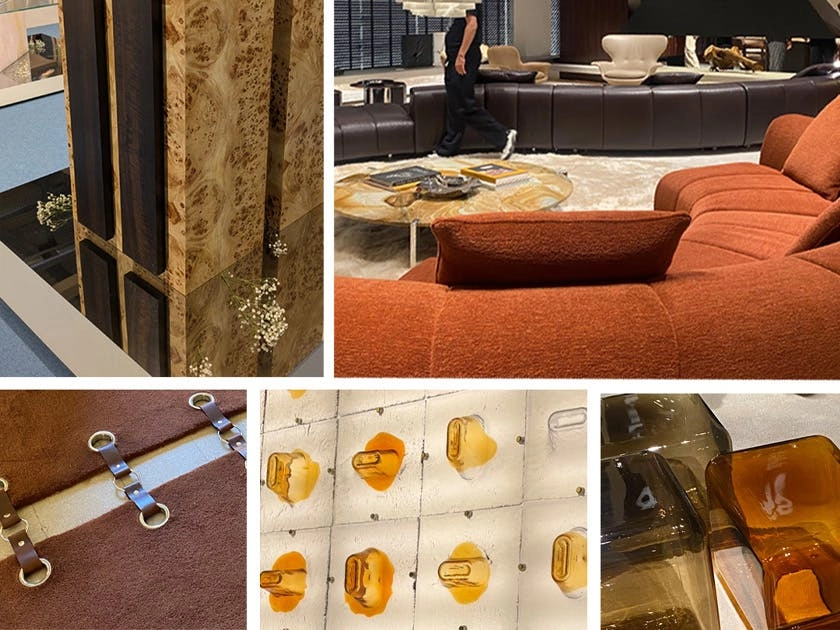
At Artemest L’Appartamento, visitors were guided through a sequence of rooms, each curated by a different studio. The experience unfolded gradually, building a picture of Italian craftsmanship through contrast and continuity.
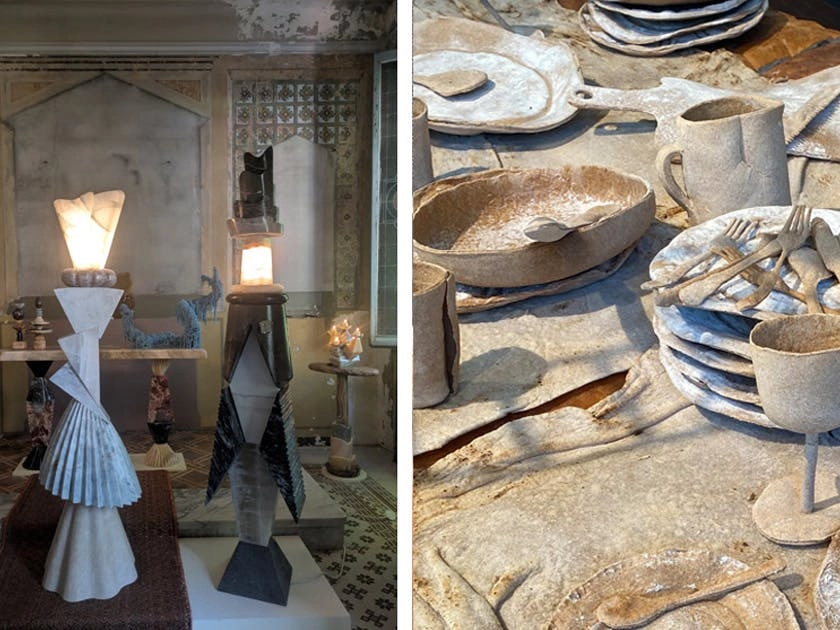
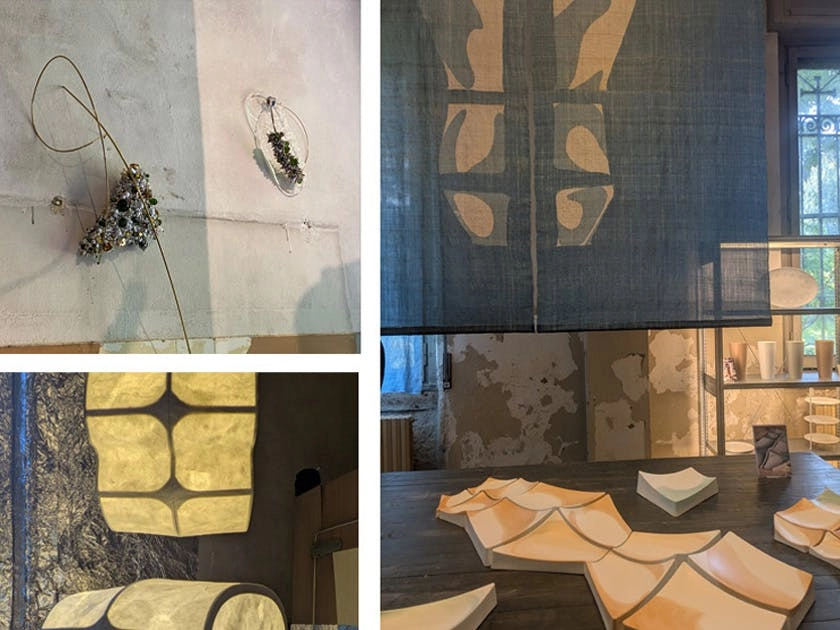
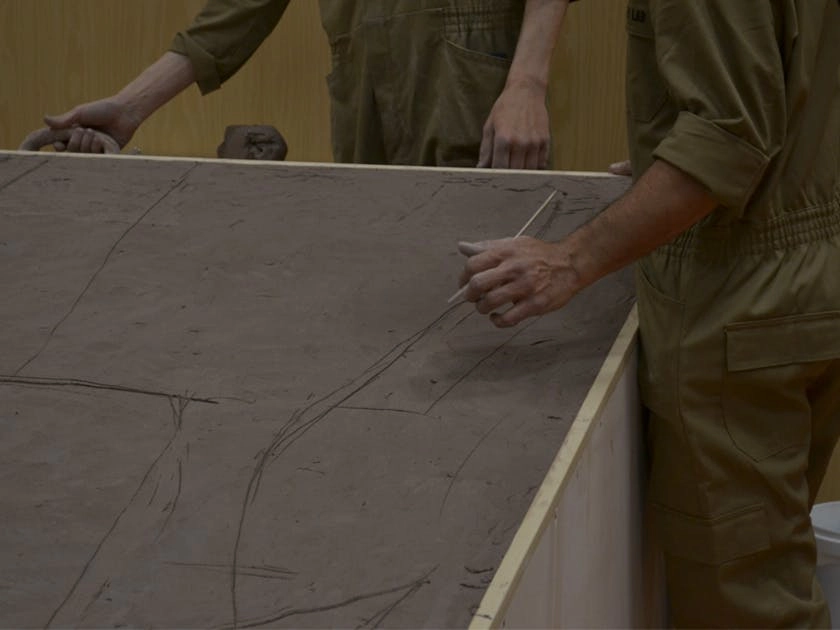
What lingered most was not a single piece, but the quieter moments for example the sketchbooks left open, material samples laid out to be handled. Similarly, at Neutra Design at Palazzo Visconti, the design elements were revealed before the final outcome, allowing visitors to see the materials and understand how ideas had been developed, not just how they appeared.
There was a sense that design is no longer something to simply observe. It’s something to move through, to understand, and to engage with more directly.
Experimentation in Unexpected Places
Some of the most compelling work came from spaces willing to take risks.
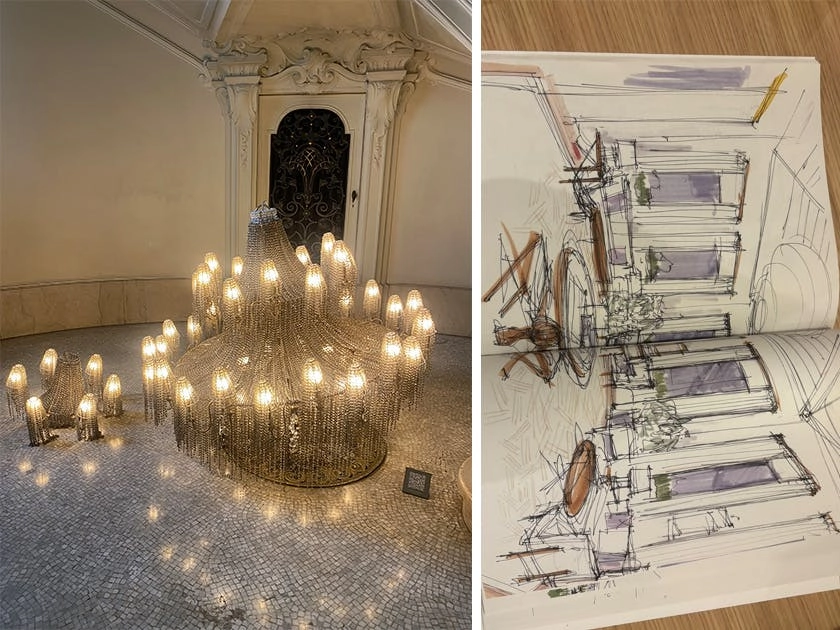
Alcova at Baggio Military Hospital, set within a disused hospital, the atmosphere encouraged exploration. Independent designers, studios and schools shared space, with many pieces being made or demonstrated in real time. It felt open-ended, less resolved, and all the more engaging for it.
Elsewhere, collaborations brought together unlikely pairings:
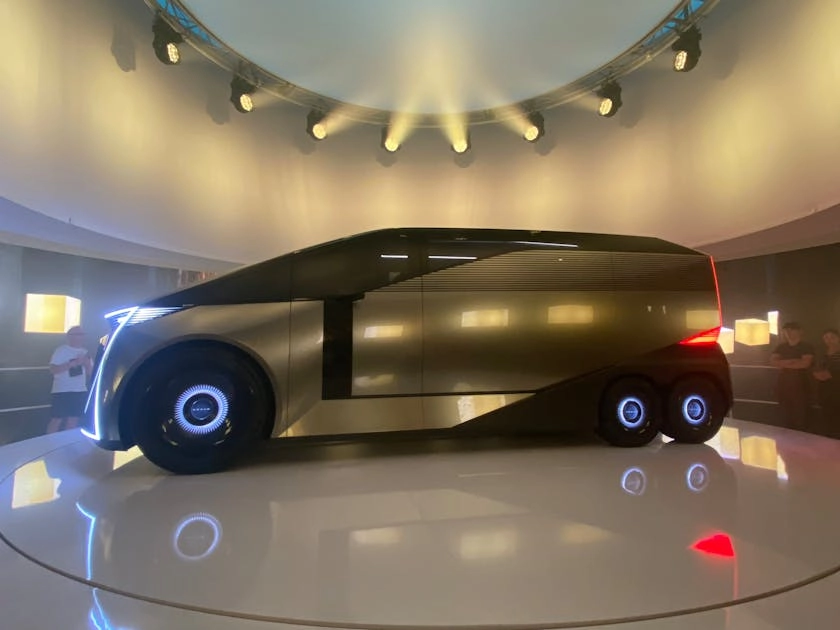
- Lexus presented a multi-sensory installation exploring future mobility
- Antolini and Bang & Olufsen combined material and sound in unexpected ways
- Arket with Laila Gohar introduced a surreal, almost playful intervention
Not every experiment landed but that willingness to test, to overlap disciplines, and to question format felt essential.
A Dialogue Between Cultures
A quieter but consistent thread throughout the week was the exchange between different design traditions.
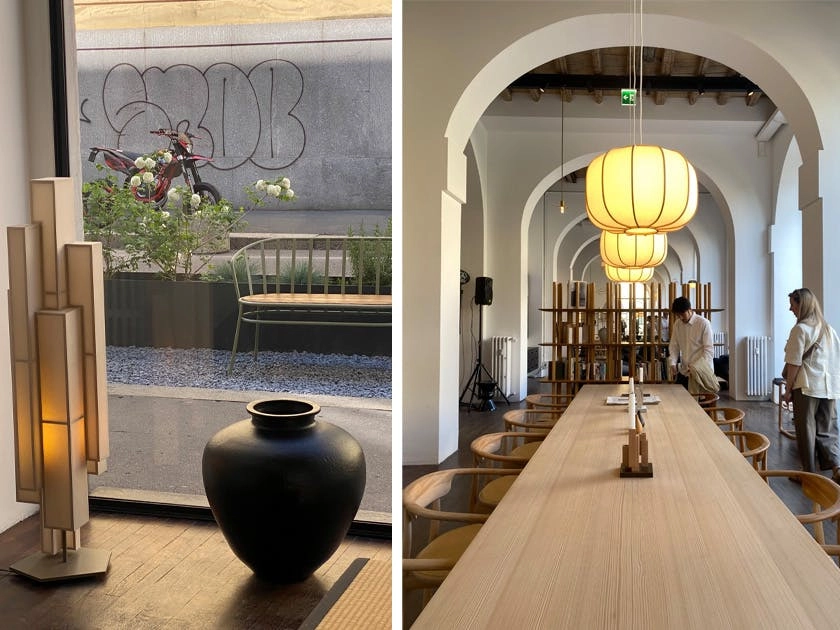
At Time & Style, the relationship between Japanese and Italian craftsmanship was particularly evident. The work didn’t feel like a fusion, but rather a shared sensibility of precision, restraint, and a deep respect for material.
These moments carried a different kind of richness. Less about statement, more about understanding - how ideas travel, adapt, and evolve across contexts.
When Experience Becomes Overstated
While many installations invited genuine engagement, there were moments where the experience felt overly controlled.
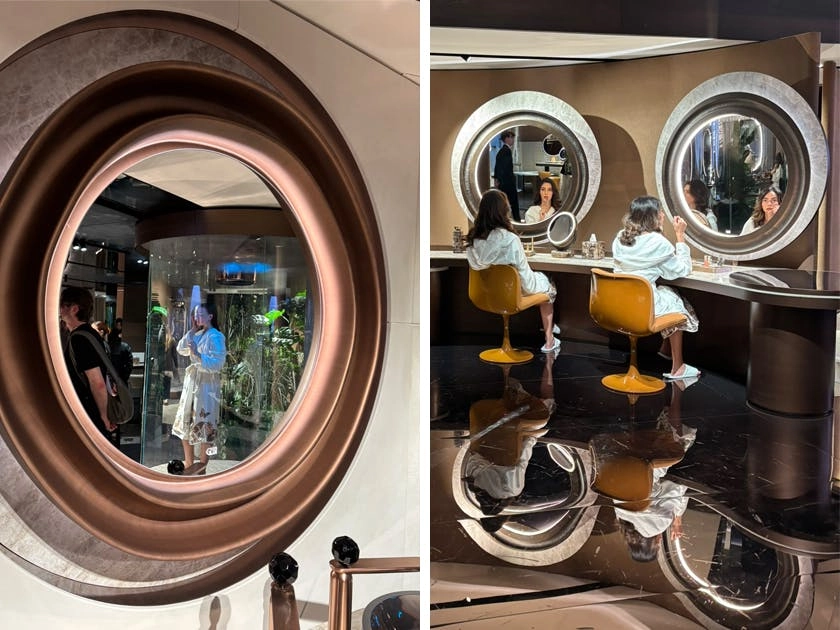
In some cases, live models staged everyday activities within exhibition spaces such as applying makeup, drinking coffee, occupying the environment in a way that felt more performative than natural. Rather than adding depth, these moments created distance.
Similarly, some installations built anticipation through carefully curated, highly visual entry sequences, only for the final outcome to feel underwhelming in comparison.
It highlighted a tension that ran throughout the week: how to create something immersive without losing authenticity and feeling overly staged.
What We’re Taking Away
Across Milan, there was a clear move towards work that reveals more than it conceals.
Materials felt more grounded. Processes were shared more openly. Experiences were constructed with greater care but also, at times, with greater risk.
What stood out most were the projects that allowed space for interpretation. The ones that didn’t try to do everything, but instead focused on doing something well, quietly, and with intent.
To be surrounded by creativity is one thing.
To move through spaces that invite you to understand 'how & why' is another.
Milan Design Week continues to embrace spectacle; expanding across industries, audiences and expectations. At times, that energy feels overwhelming and even over-curated.
But within it, there are still moments of clarity.
At Salone in particular, there was a noticeable shift towards material honesty, considered construction, and a quieter kind of confidence. Work that doesn’t compete for attention, but holds it.
And it’s in that contrast between noise and nuance, that the most meaningful ideas begin to surface.