Heritage and Innovation: the intersection of contemporary design
In contemporary luxury design, heritage and innovation are often framed as opposing forces, suggesting that designers must choose between preserving the past and embracing the future. At GA however, we believe the most compelling spaces create a combination of the two, fostering a dialogue between past and present.
Across all of our portfolio, we root contemporary ideas or hospitality experiences in the tradition and culture of the project's local context, ensuring a sense of depth and meaning. Innovation is central to the evolution and furthering of architecture as a practice, but how we live today is informed by what has come before, both in terms of experiences and aesthetics.
Rather than contradiction, the relationship between heritage and innovation is an essential part of our design process. Particularly within luxury hospitality, the challenge is to not simply create something visually new, but to design experiences that feel authentic, emotionally resonant, and enduring.
Traditional design techniques embody generations of knowledge and craftsmanship, refined through a deep understanding of how people experience built environments. Many classic architectural principles have endured not through nostalgia, but because they respond intuitively to proportion, materiality, and spatial experience. While contemporary buildings may differ in form and technology, the qualities that define successful design remain consistent. Scale, atmosphere and comfort continue to shape emotional connections with a place, ultimately defining the guest experiences across eras.
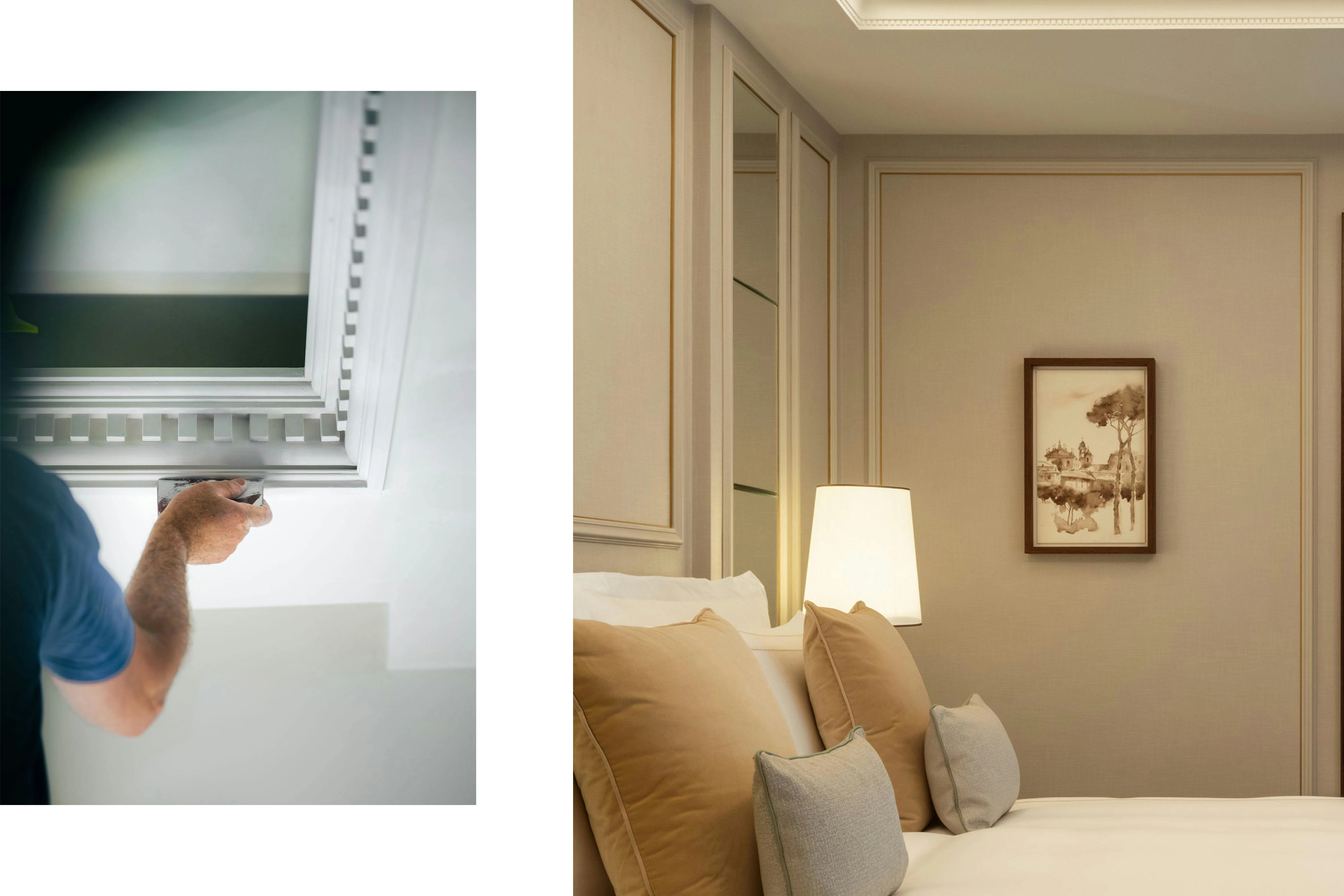
In luxury hospitality, this sense of continuity becomes particularly important. In an age shaped by social media, rapid consumption, and visual saturation, authenticity has become one of the rarest forms of luxury. Guests increasingly seek environments that feel rooted in culture and narrative rather than trend-driven, offering moments of rest and escapism from the fast-changing technologies that occupy our daily lives.
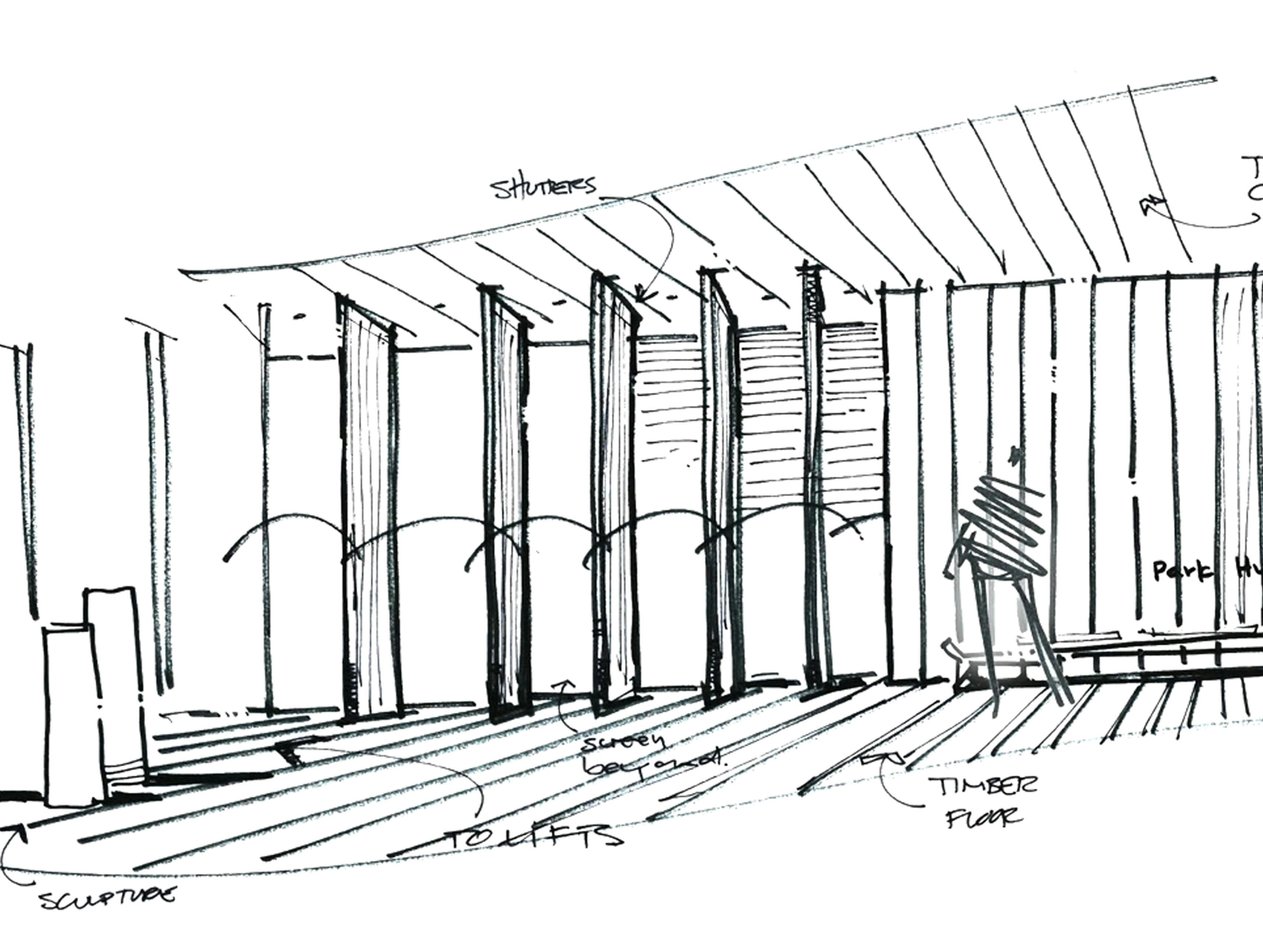
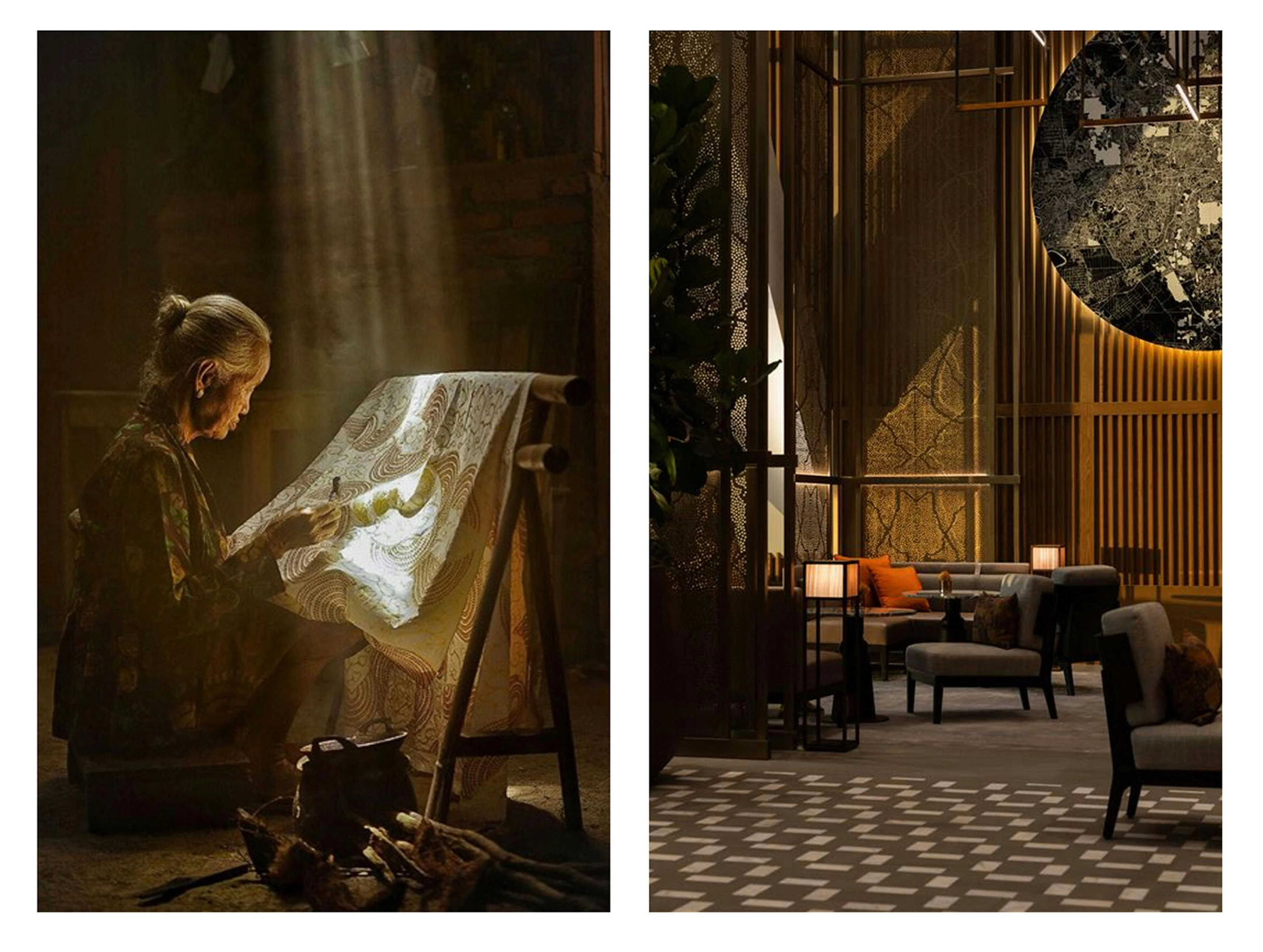
Respecting traditional craft and architectural language helps ground projects in a sense of place, offering experiences that feel meaningful. By successfully combining this heritage with innovation, our designers can reinterpret traditions in ways that feel unexpected yet relevant for guests. Rather than replicating historical styles, the design process should focus on translation, developing an understanding between the vision for the project and the essence of a place, reimagining its story through a modern lens - rather than creating a museum- like space, frozen in time.
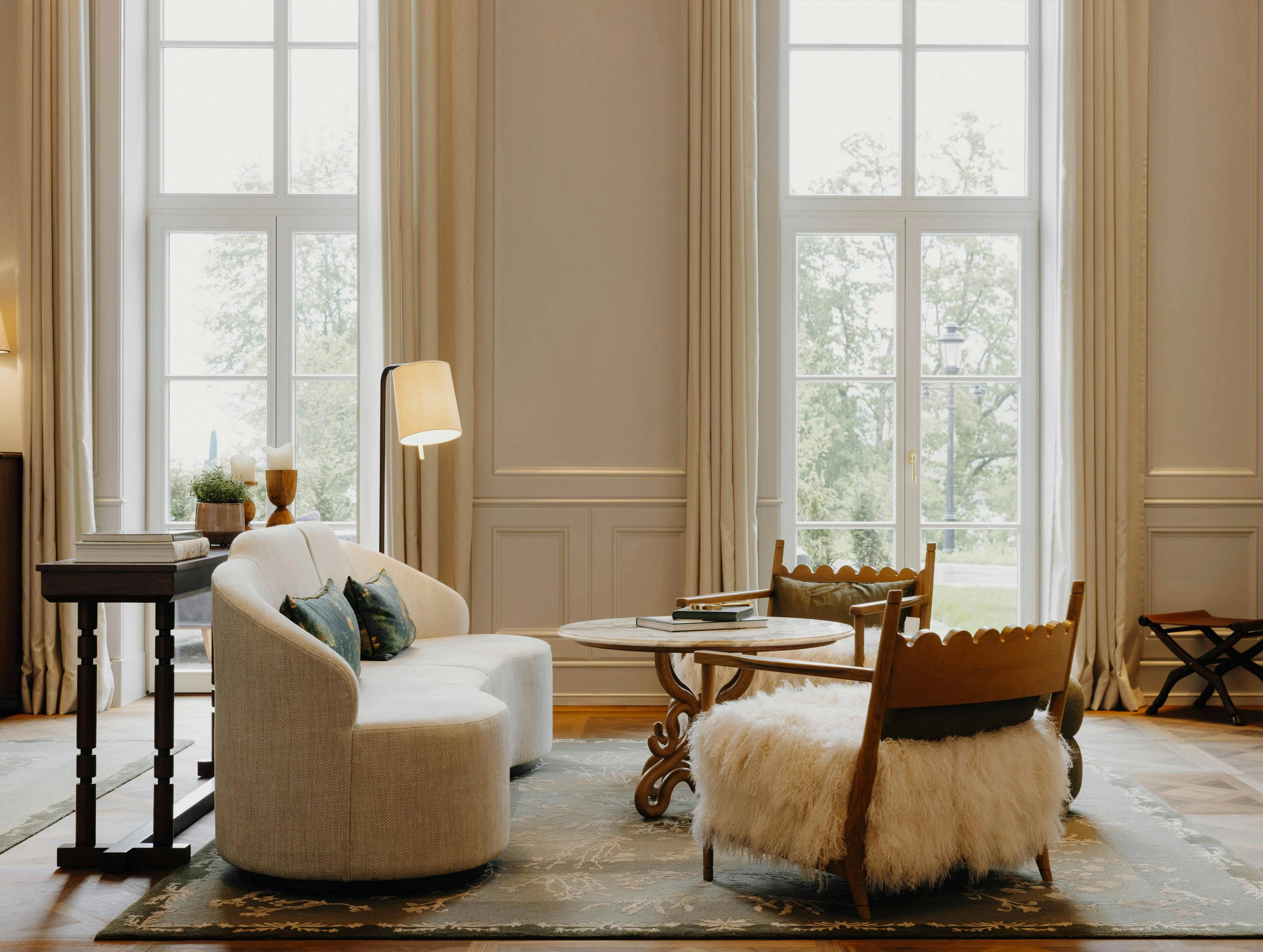
This approach is particularly evident in restoration and adaptive reuse projects, where the spirit of a place is key in determining how new ideas should enter the design process and combine with the existing structure. Historic buildings carry not only architectural significance, but atmosphere and sense of cultural identity therefore, sensitive interventions are often the central to unlocking the next chapter of the building’s lifespan. Across all projects, our design process relies heavily on research and understanding, seeking to uncover the building’s history while considering its future purpose.
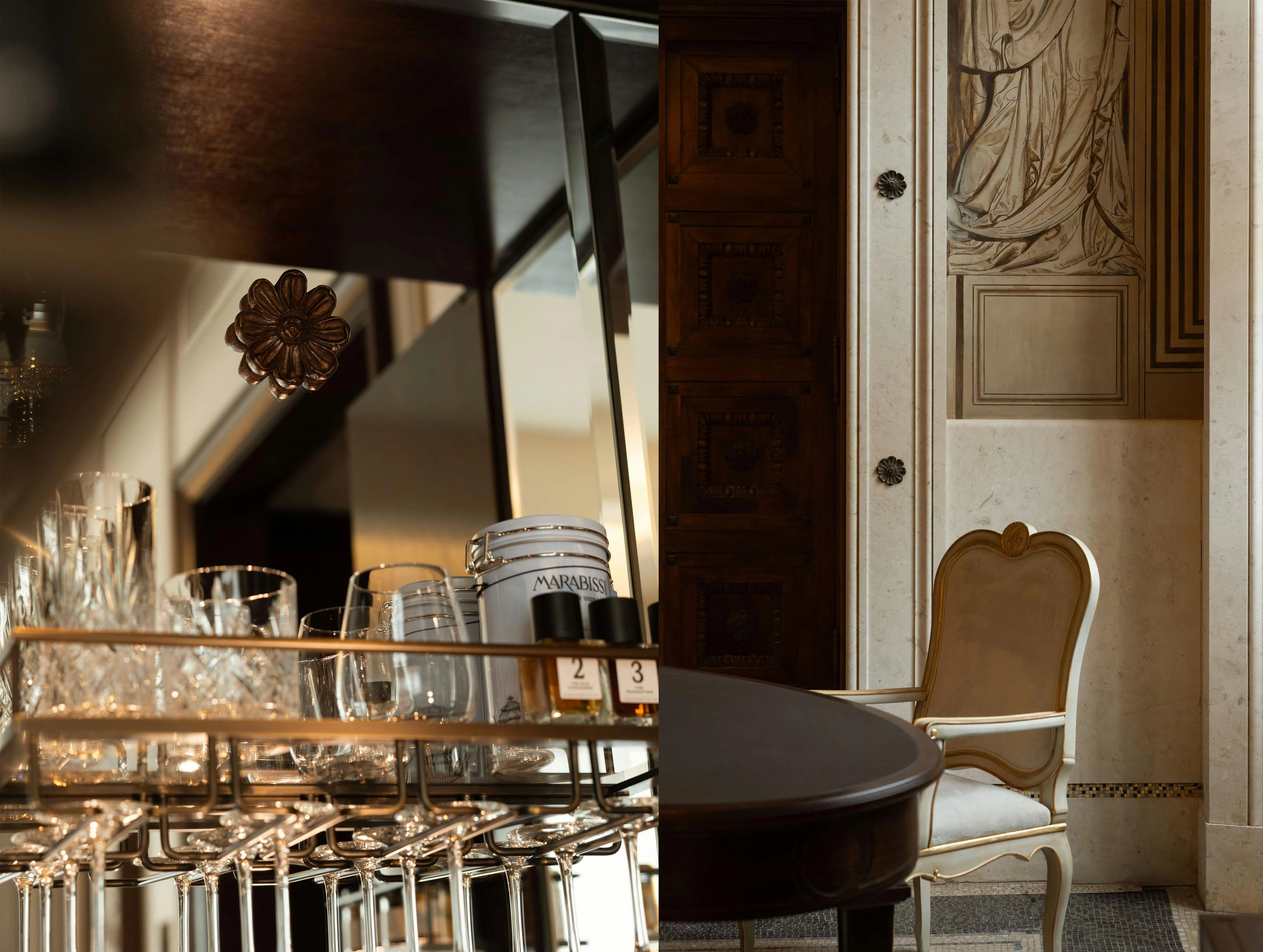
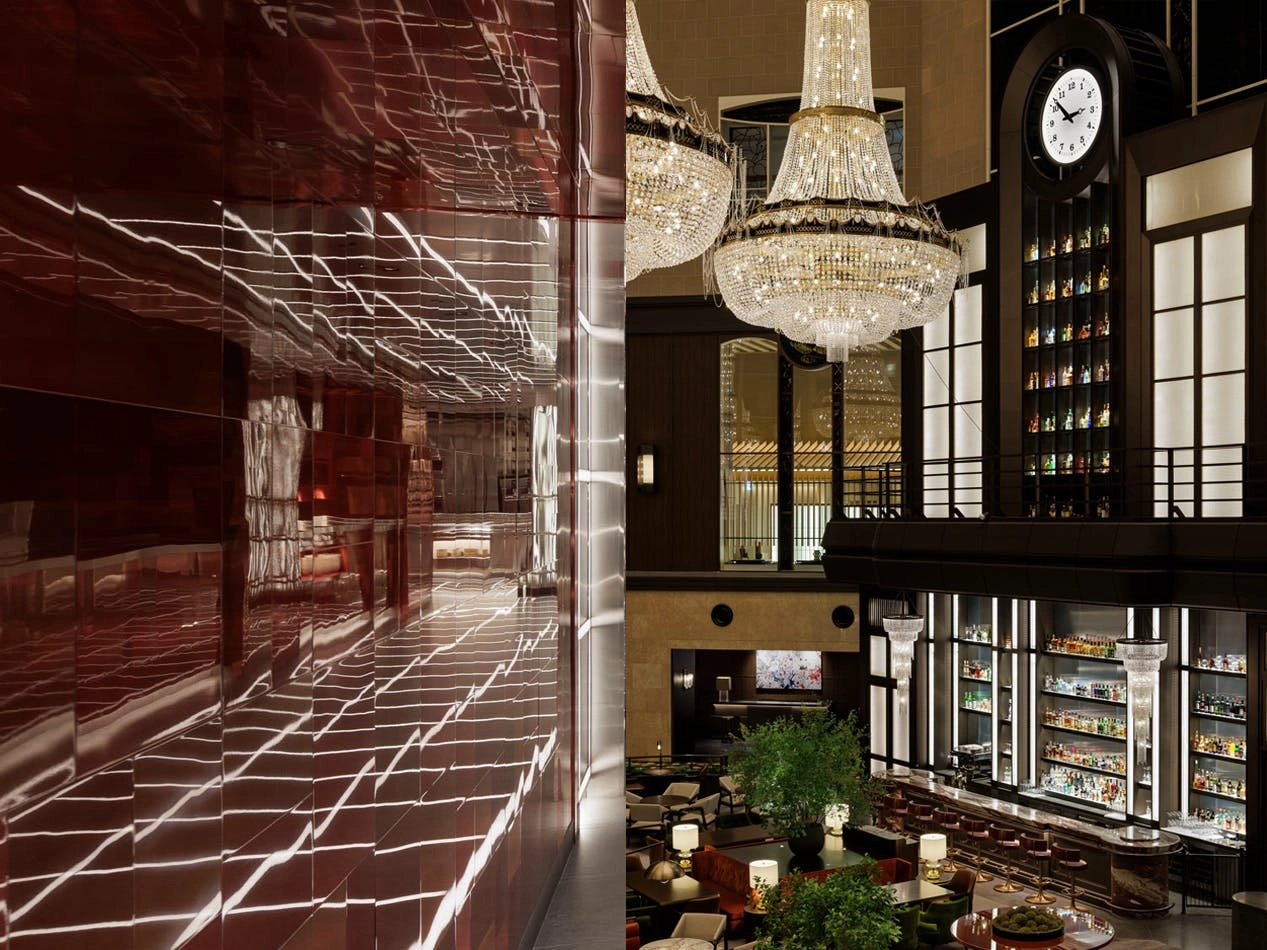
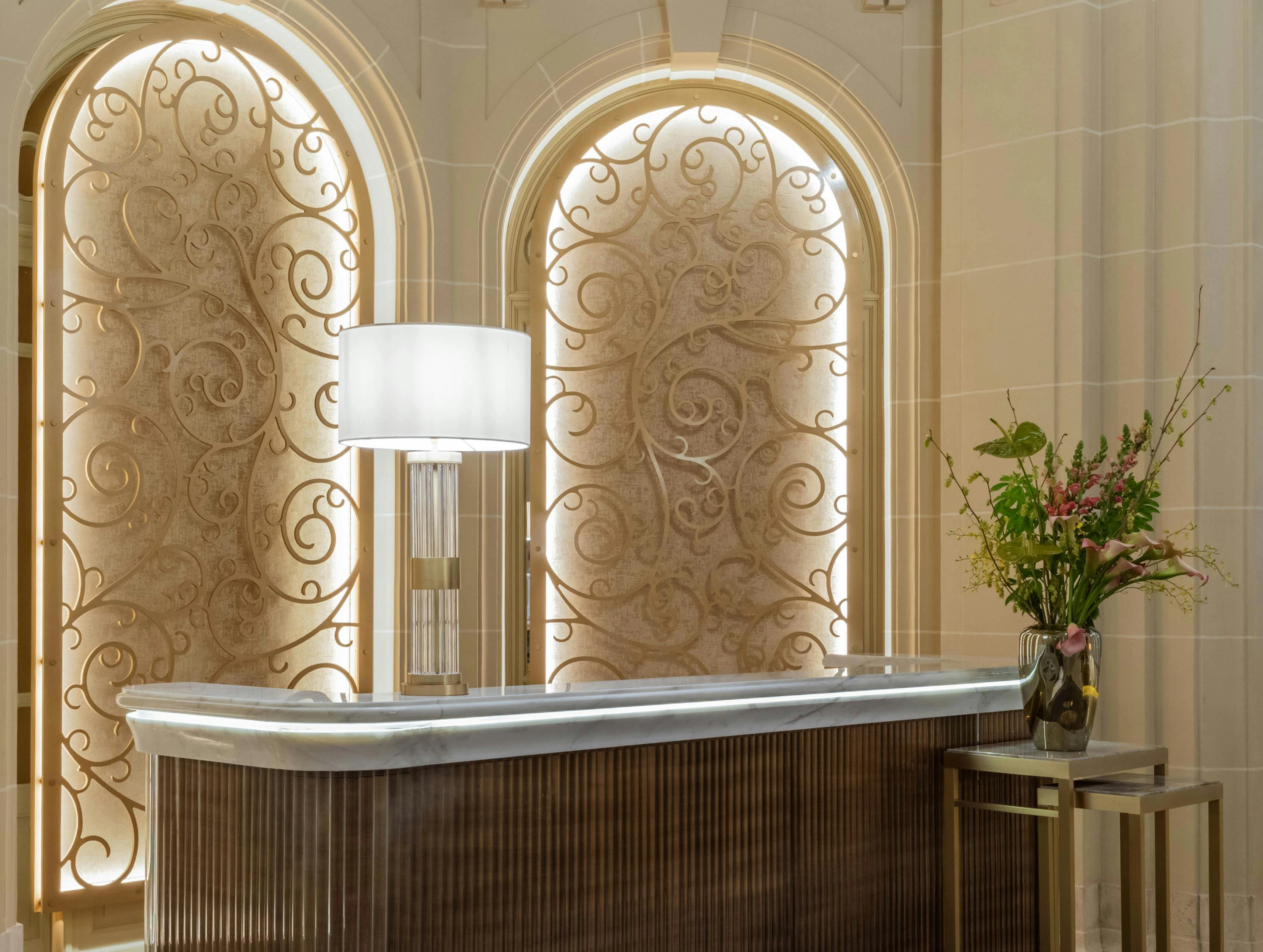
Projects such as Corinthia Hotel Rome and Corinthia Grand Hotel Astoria Brussels demonstrate how contemporary hospitality design can create a meaningful transition between eras, balancing restoration with reinvention. This philosophy heavily informed the design approach at Corinthia Brussels, where we wanted the historic property to evolve, rather than be recreated. The design team drew from traditional Belgian ironwork traditions, abstracting and refining ornamental motifs into contemporary interventions layered with woven metal mesh. The result was something unexpected where the heritage of the building meant traditional inspirations became a catalyst for innovation.
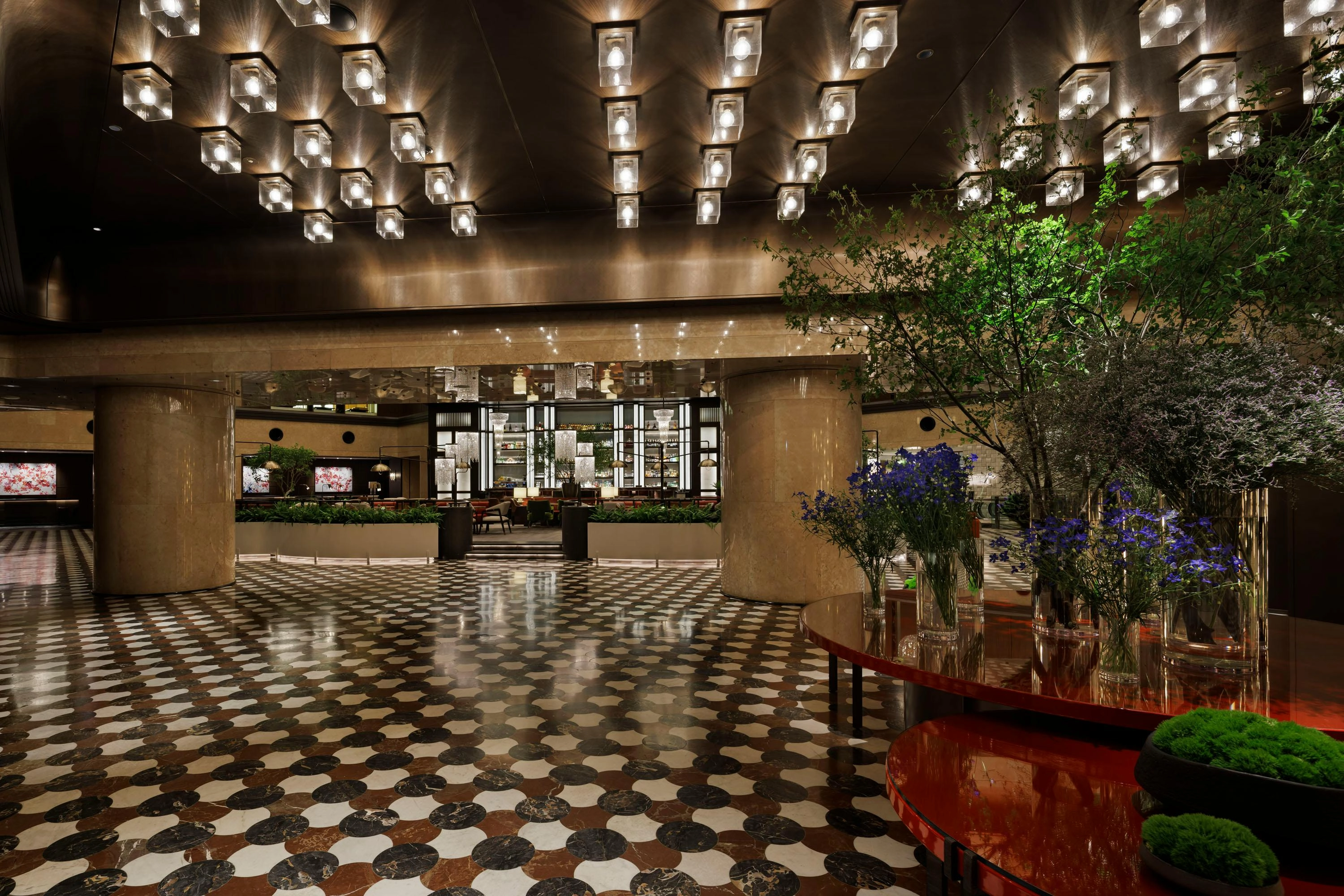
Some projects come with a storied lineage that may initially feel constraining. Hyatt Regency Tokyo in Shinjuku, opened in the 1980s as the first international hotel in Shinjuku and a cornerstone of Japanese luxury hospitality, is one such example. The challenge lies in bringing the building into a contemporary context without diminishing the character that defines its legacy. GA approached the redesign as a careful rebirth, shaping interiors that welcome a new generation of guests while honouring its iconic status.
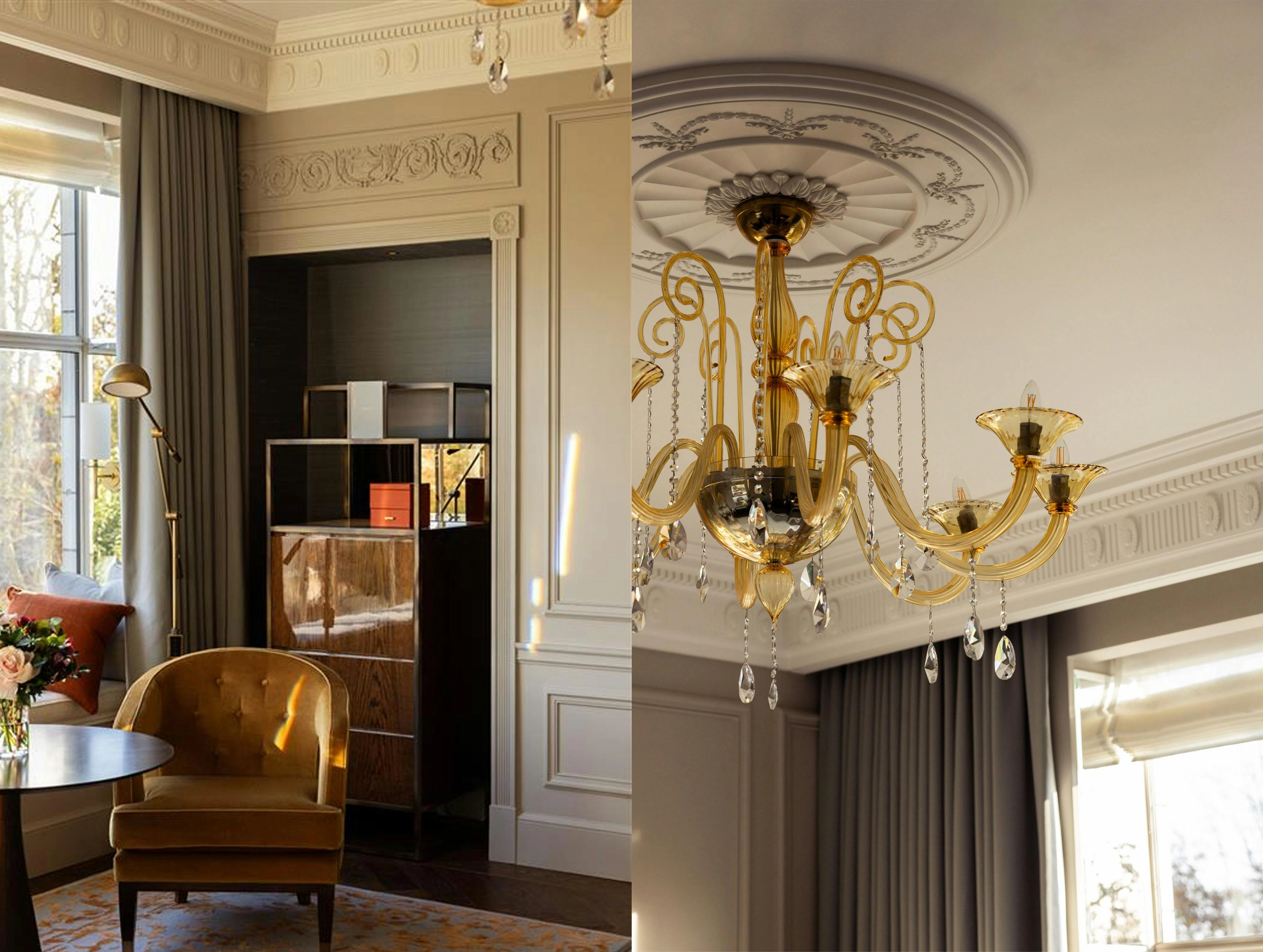
Sometimes just the name of a hotel can evoke its history and cultural standing – like The Savoy – considered a behemoth of London’s hotel scene that has become not just the benchmark for luxury hospitality, but has earned its place in popular culture. The task of renovating its suites meant GA had to balance the hotel's rich history with modern luxury. This meant the original features of the grade II listed hotel were - as one journalist put it - ‘lovingly treasured’ and reconsidered through a modern eye.
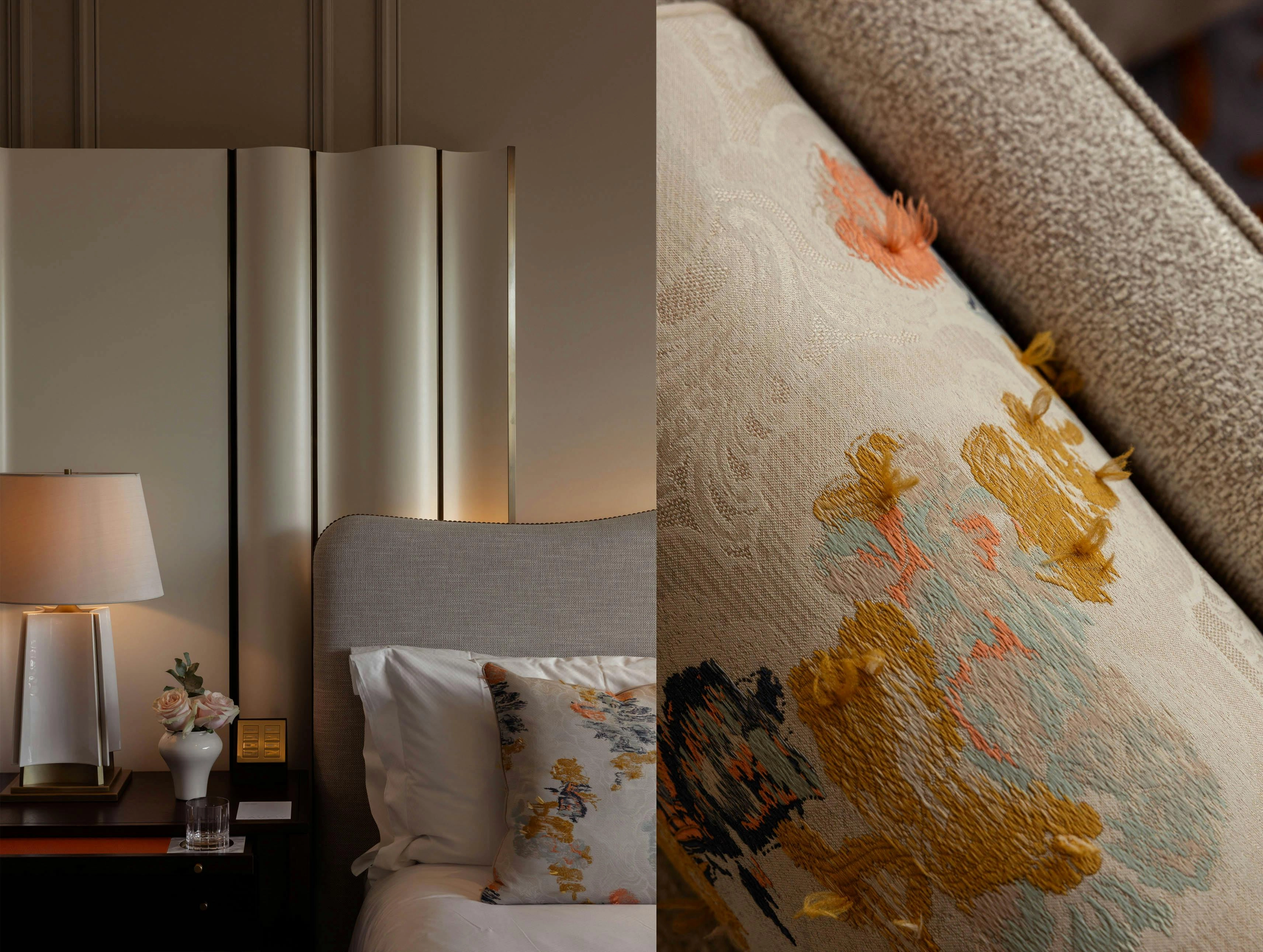
This ability to reinterpret heritage is also reshaping contemporary craftsmanship itself. A new generation of artisans are increasingly applying traditional techniques in unconventional ways, allowing knowledge to move fluidly across disciplines. For example, skills once associated with haute couture embroidery, are now informing furniture, textiles, and even architectural thinking. At the same time, innovation is being redefined through digital technology and AI, which are becoming powerful tools for visualisation, iteration, and exploration.
For GA, the relationship between craft and technology is complementary. Traditional craftsmanship provides authenticity and emotional depth, and AI can accelerate exploration and unlock new possibilities during the early stages of design. It is the combination of the two that will deliver the next steps in architectural design, with AI becoming a tool to enhance creativity rather than replace it. The balance lies in knowing when to rely on digital innovation and when to return to long-tested approaches to design and architecture.