Innovation through Collaboration - Reflections from London Design Week
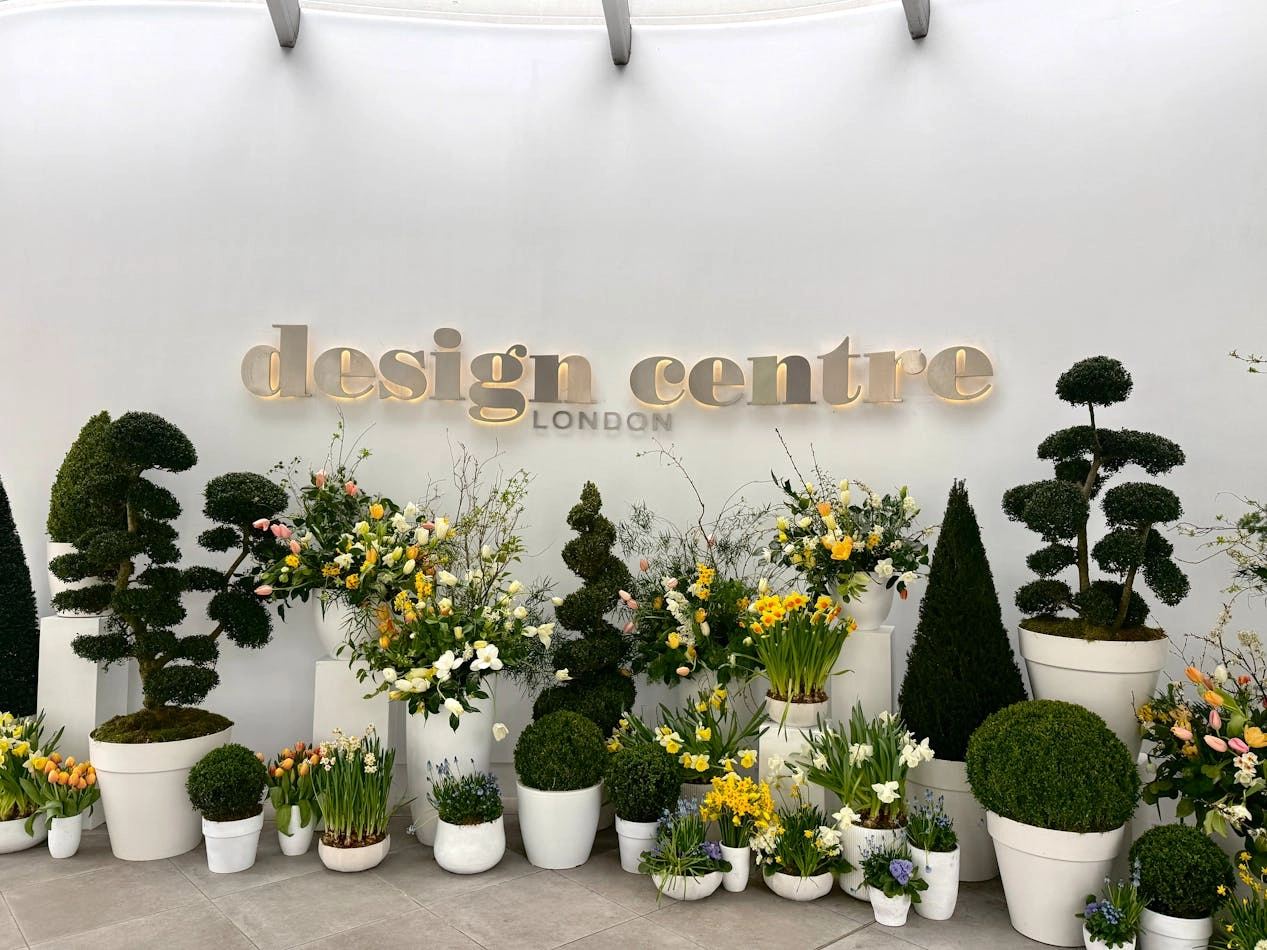
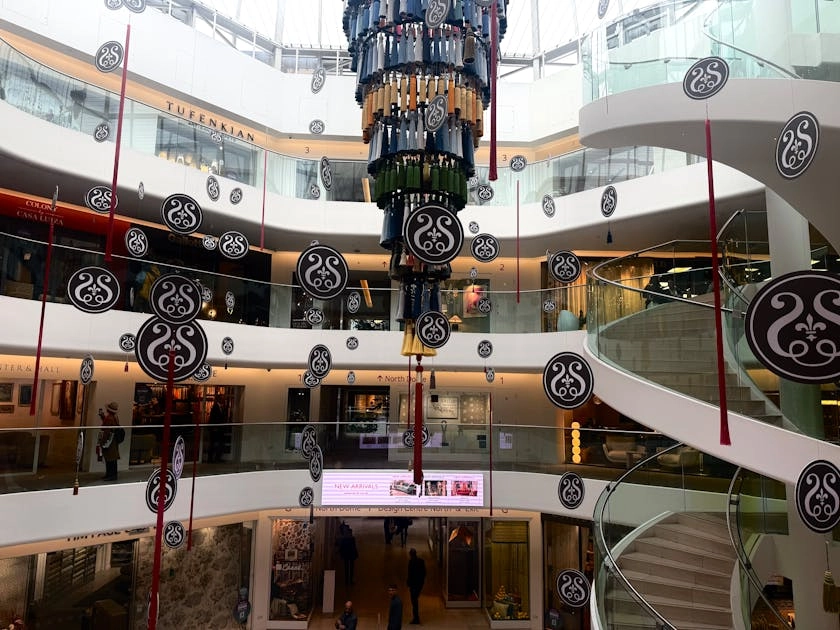
At London Design Week, conversations across the industry were rooted in GA’s brand pillars: designing with depth, lateral thinking, collaboration, and a developing a richer understanding of people and place.
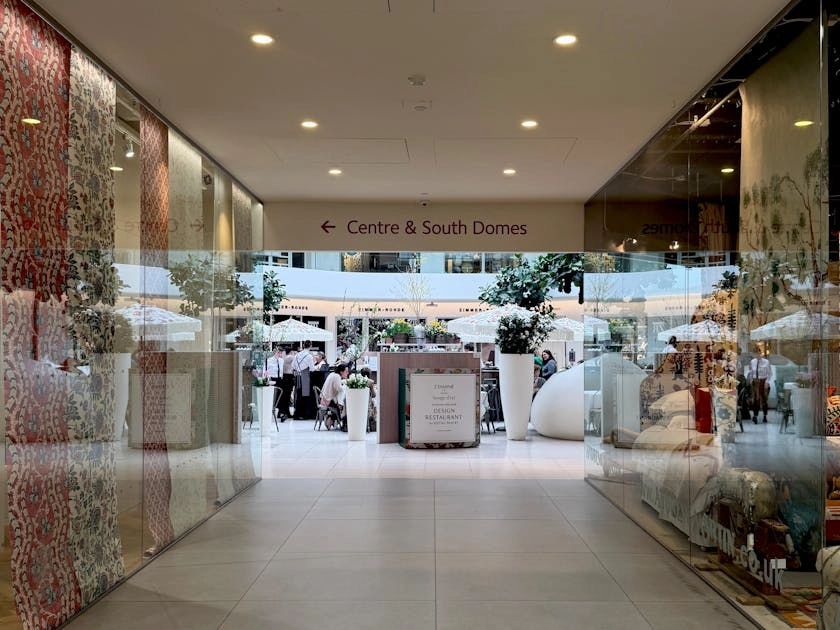
London Design Week was an reminder of what truly shapes the future of design. Across showrooms, talks and installations, the week becomes less about individual products and more about how the industry can best function as a whole. Thoughtful collaboration between designers and clients, as well as suppliers and manufacturers, is what drives design innovation forward.
Designing a sanctuary within interiors
One discussion led by Livingetc explored the idea of sanctuary within interiors and how spaces can support emotional, physical and cognitive wellbeing.
This requires a closer collaboration with clients. Rather than simply interpreting a brief, designers must uncover the ideal user experience. Everything down to the detail such as the sound of footsteps while approaching a reception desk, the sense of awe or safety from high or low ceilings, or the intuition of the flow of entrance all play a part in how a guest feels and acts when they approach the counter. The challenge for designers is identifying which experience a space should offer — and why.
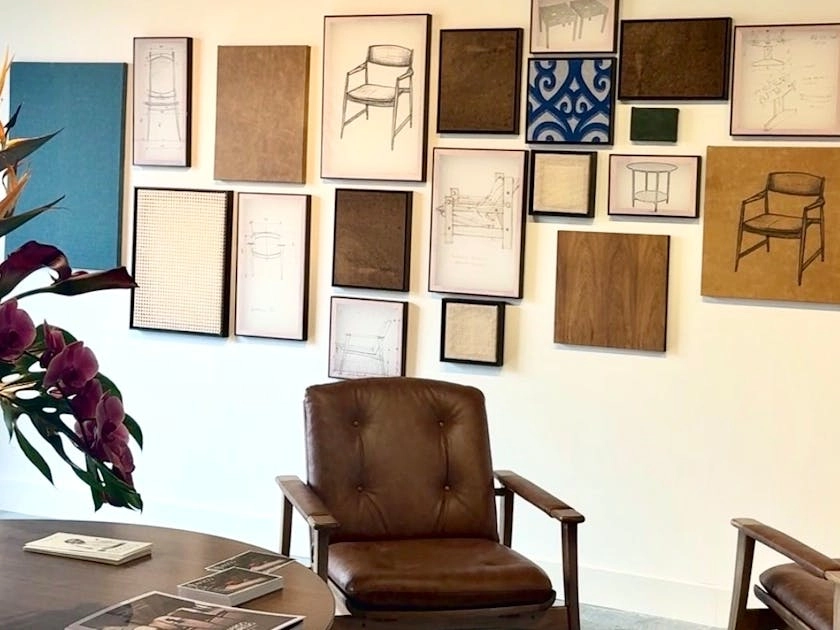
Challenging Conventional Thinking with Repurposing
London Design Week also showcased how innovation frequently stems from challenging conventional thinking.
Instead of designing interiors that are replaced every few years, studios are increasingly considering how pieces can be repaired, refinished or repurposed. Initiatives such as refurbishment programmes demonstrate how designers can extend the life of materials well beyond the initial project.
The co-founder of Porta Romana, Andrew Hills, echoed this perspective, noting that innovation often begins when designers invite suppliers into the creative process earlier. Their expertise can unlock new materials, techniques and ways of working, such as the company’s upcycling club, allowing their products to be reused in future projects.
These ideas represent a shift away from purely aesthetic innovation towards systems and processes that rethink how the design industry can best operate.
"A collaborative effort of striving to be better.”
Perhaps the most inspiring takeaways spurred during a panel of companies with B Corp certifications discussing how their best innovations stemmed from deeply collaborating with supply chains.
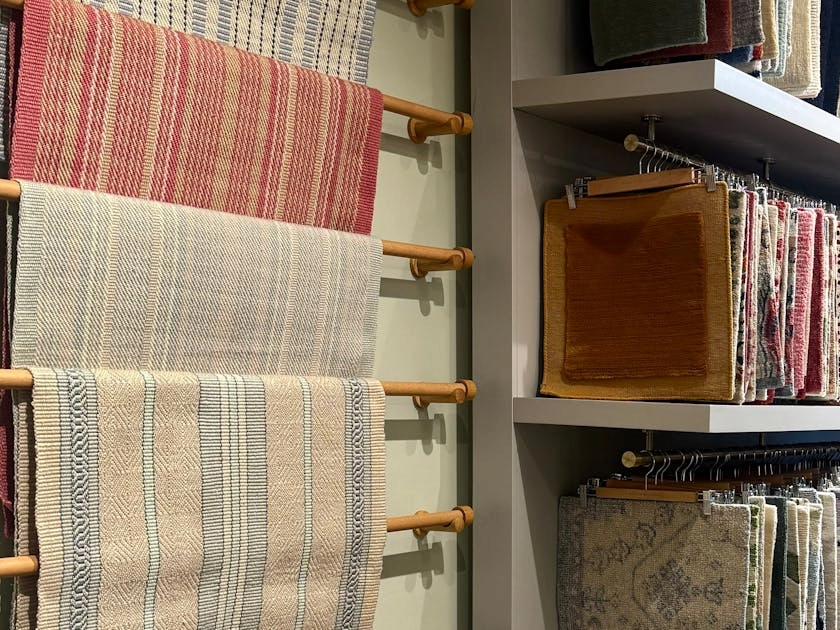
Textile designer Jennifer Manners shared how her collaborations with manufacturers in India and Nepal helped perfect her rugs made from materials such as plastic water bottles and bamboo. By introducing shared environmental goals, other unexpected solutions began to emerge. This shared excitement inspired manufacturers to begin reuse dye water to water crops in surrounding farmlands.
Rather than imposing change, the process developed collaboratively. Over time, suppliers began to see the benefits within their own communities, reinforcing what Manners described as “a collaborative effort of striving to be better.”
Curiosity & Collaboration
London Design Week’s atmosphere was a reminder that the industry thrives on dialogue. That curiosity — about how people live, how materials are made, and how collaboration can unlock new solutions — remains the driving force behind meaningful innovation.
For GA, these conversations reinforce the importance of designing with intention. By engaging deeply with clients, learning from suppliers and understanding the wider cultural and environmental context, design moves beyond aesthetics to create spaces that enrich the way people experience the world.